Can't just run. Gotta strength train.
Most runners skip strength training. They log the miles, work on pace, maybe stretch afterward, and call it a day.
But running isn't just about running. It's about the strength behind the run.
In our latest video, two coaches take three movements most runners never do and break down why each one carries straight into your stride, from track sprints to long-distance runs. (Scroll down for the link to the video.)
RUNNING ISN'T AS LINEAR AS IT LOOKS
When most people think of running, they think of a straight line. Forward, forward, forward.
Your body sees it differently. Every stride is a torque movement: your hips and shoulders rotate against each other, one side loads while the other drives, and your core holds it all together.
The problem is that most of us rarely train rotation, and rarely with power.
THE BODY IS A CHAIN
The idea that ties this workout together is simple: your body works as a chain.
Your calves connect to your quads and hamstrings, your hamstrings tie into your glutes and hips, and that line keeps running up your back to your lats. When you push off the ground, that whole back side of your body has to fire together.
When one link is weak, something else picks up the slack, and that's often where trouble starts. As one coach put it, when people ask, "I was just running, why did I tear?" the answer is often that they weren't strengthening the whole chain.
THREE (3) EXERCISES TO IMPROVE SPEED & PREVENT INJURY
1. The "Chain Reaction" (Landmine Rotational Press)
This is the one they call the chain reaction: an explosive rotational press on a landmine that works the whole body in a single rep.
- Set up with your elbow packed in close to your hip.
- Explode up and press, driving through your legs and hips.
- Switch sides with control, stay tight, and press again.
- Reverse it back down to the same starting spot.
You rotate three times in a single rep, so you're training rotation, balance, stability, and explosive power all at once. And if you watch closely, the movement looks a lot like a runner's stride.
The payoff: when your body is used to producing power through the whole chain, running starts to feel like you're running on air.
2. Single-Leg Romanian Deadlift
A lot of runners ignore their hamstrings. That's a mistake, because your hamstrings are a big part of your push-off, and your push-off is your power.
The single-leg RDL trains that same chain, one side at a time.
- Keep everything up top straight. Imagine a stick running along your back.
- Hinge down without bending too much. You want to feel it in the hamstring.
- Coming up, engage the hamstring first, then the glute, then press your hip forward.
- Keep your core tight and tuck your toe slightly inward to control rotation.
Try it without weight first. If your hamstring is shaking with just bodyweight, it's working. And if you can't engage a muscle without load, adding weight won't fix it. You'll just be moving the weight around, and you might be doing something wrong.
3. Hanging Leg Raises
Runners live with tight hip flexors. Every stride uses them, so they tend to get strong while the core lags behind.
When that happens, your hips take the brunt of the work, which can lead to hip impingement and pain. The fix is to build a core that can keep up with your hips.
- Hang from a pull-up bar and keep your back engaged. Your back is part of your core, too.
- Bring your knees to your chest, then press your legs straight out instead of dropping them down.
- Progress by holding your legs out in front of you while you hang to challenge back stability even more.
Can't do the full hanging version yet? That's okay. Start where you are.
NO GYM? NO PROBLEM.
You don't need a full gym to bring this into your training:
- No landmine or weights? Do the movements unloaded to prime your muscles and learn the stability first.
- No pull-up bar? Do leg raises on your back, L-sits on the floor or between two chairs, and bicycle crunches. Bicycles follow the same cross-body pattern as your stride.
- Whatever you choose, include lateral movements and that cross-body torque.
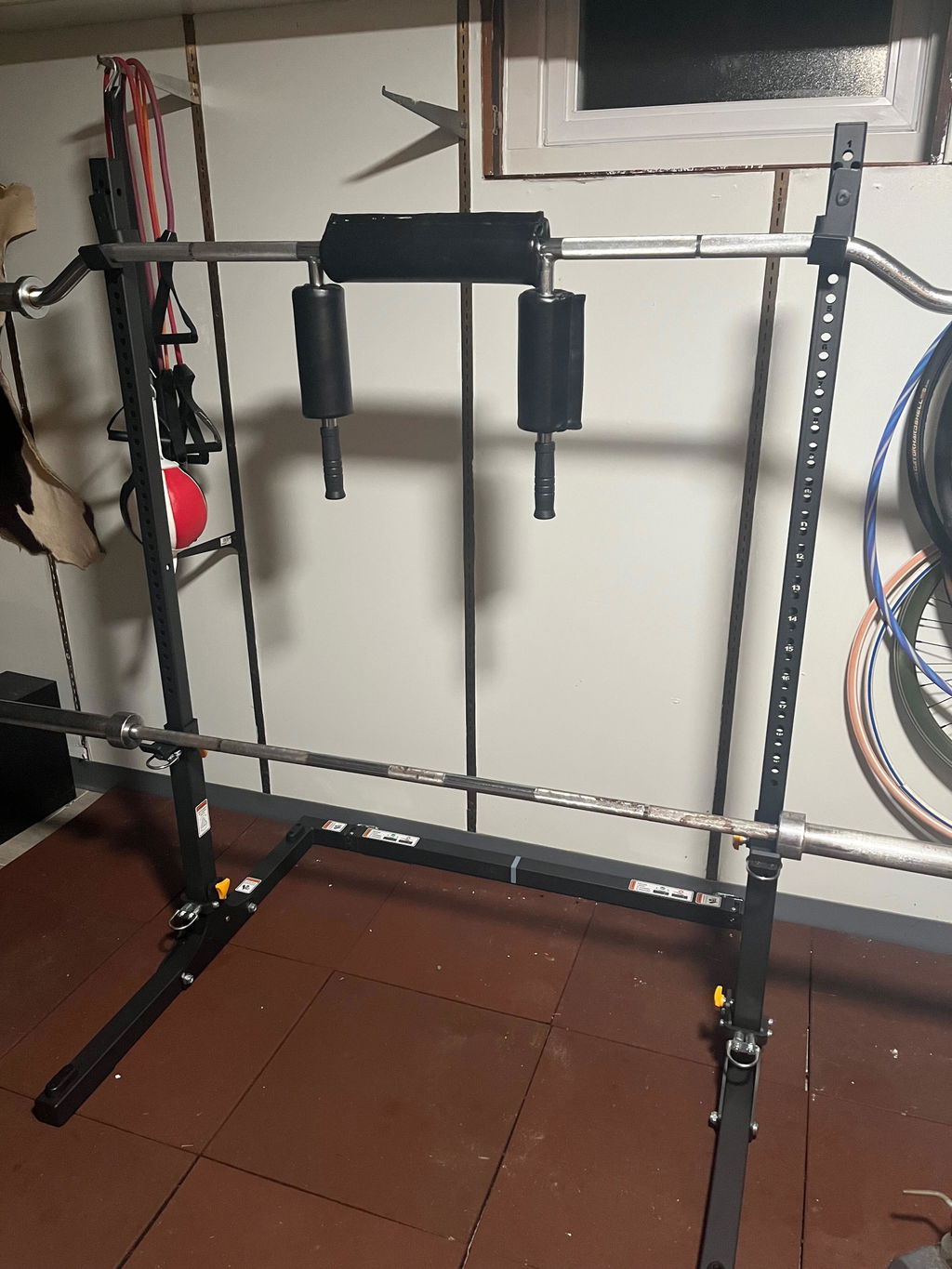
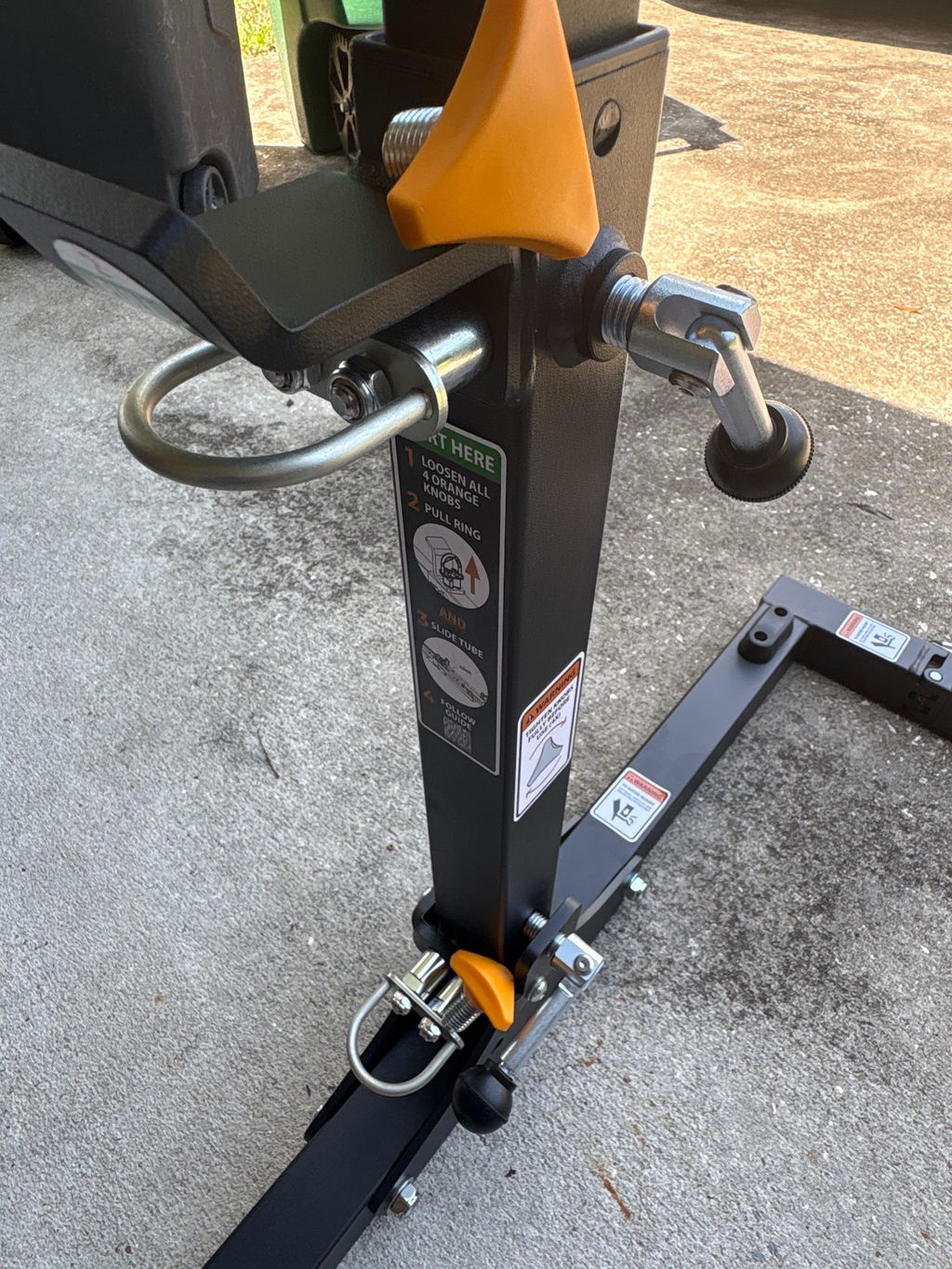
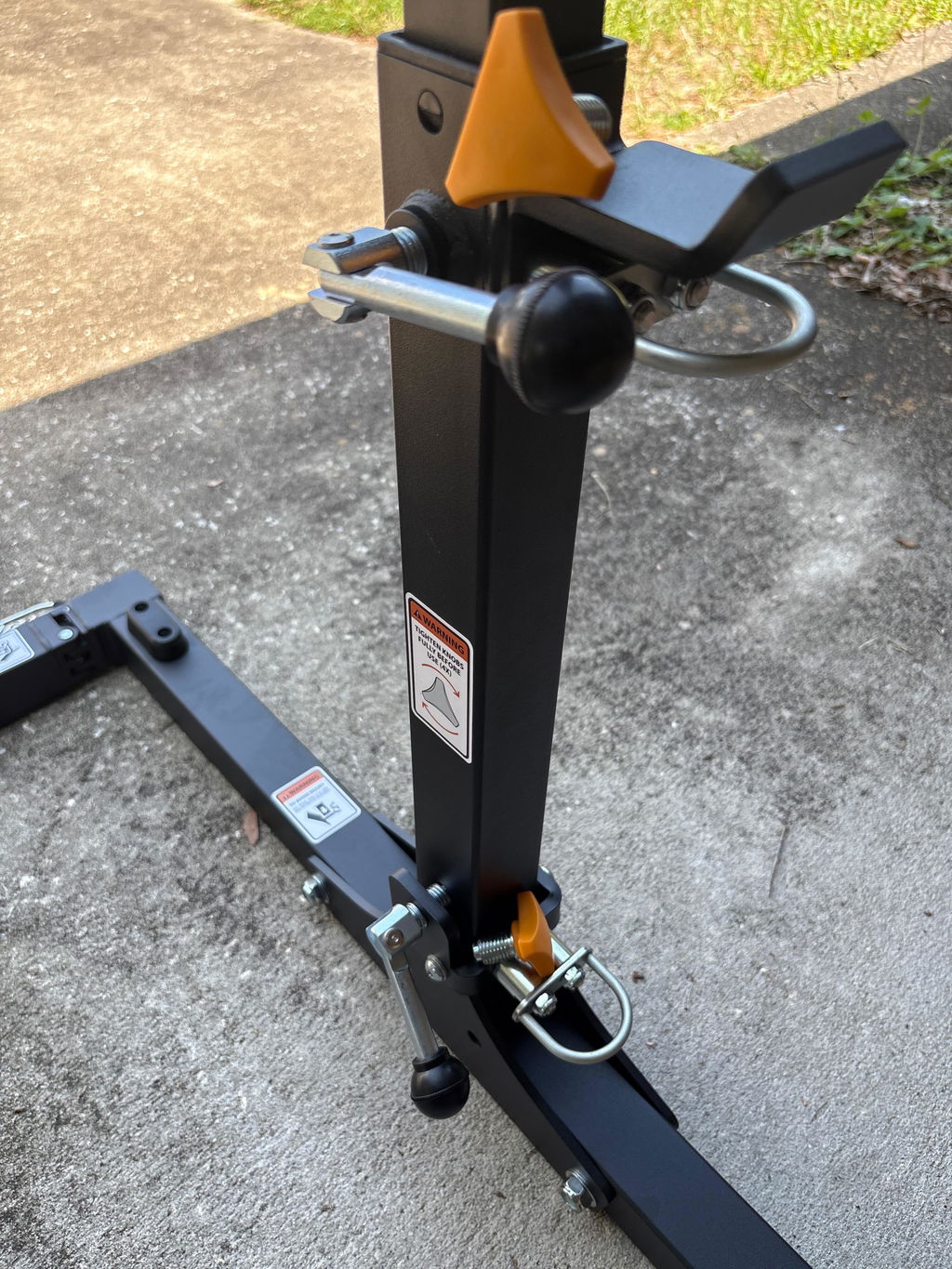
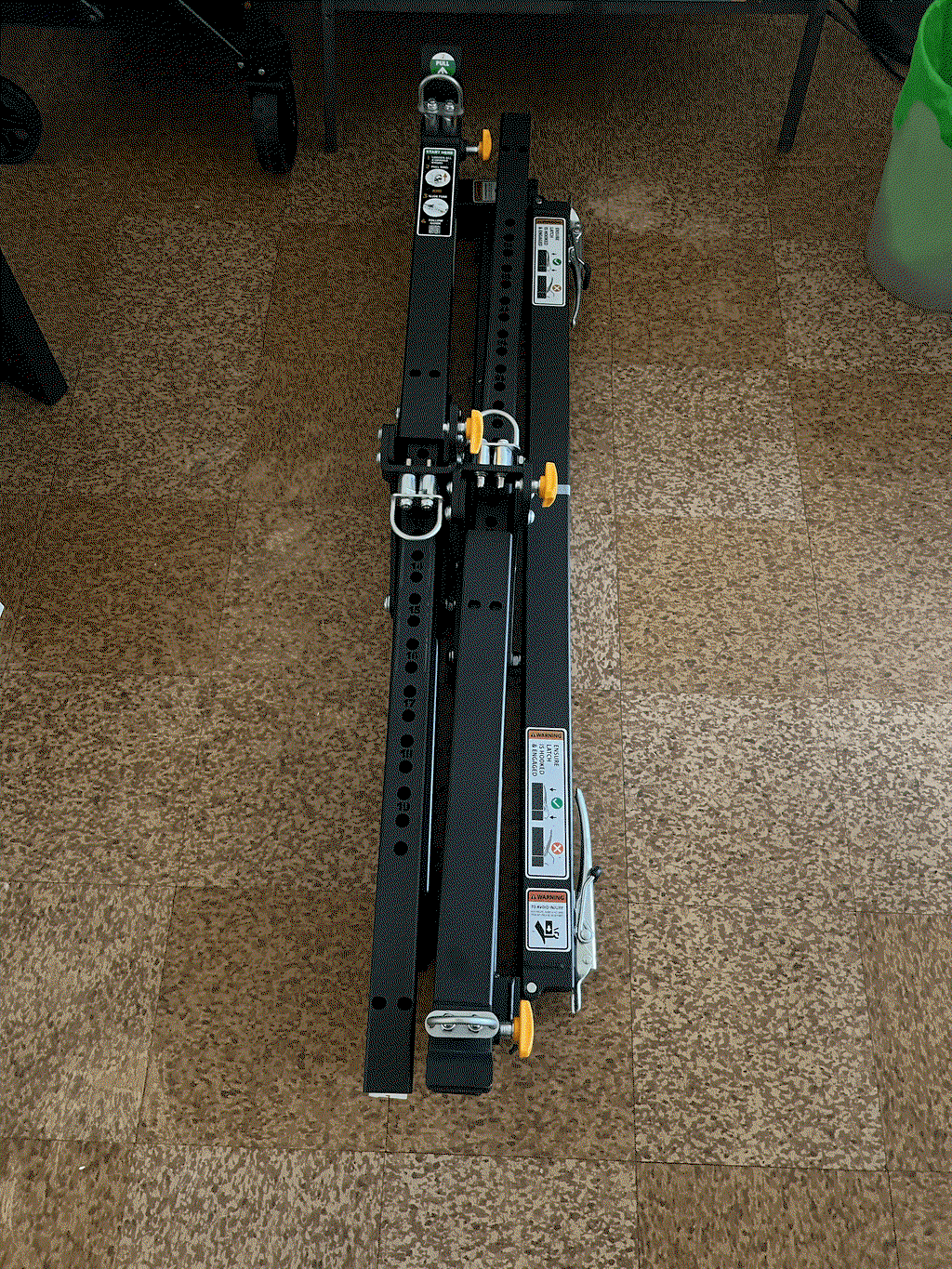
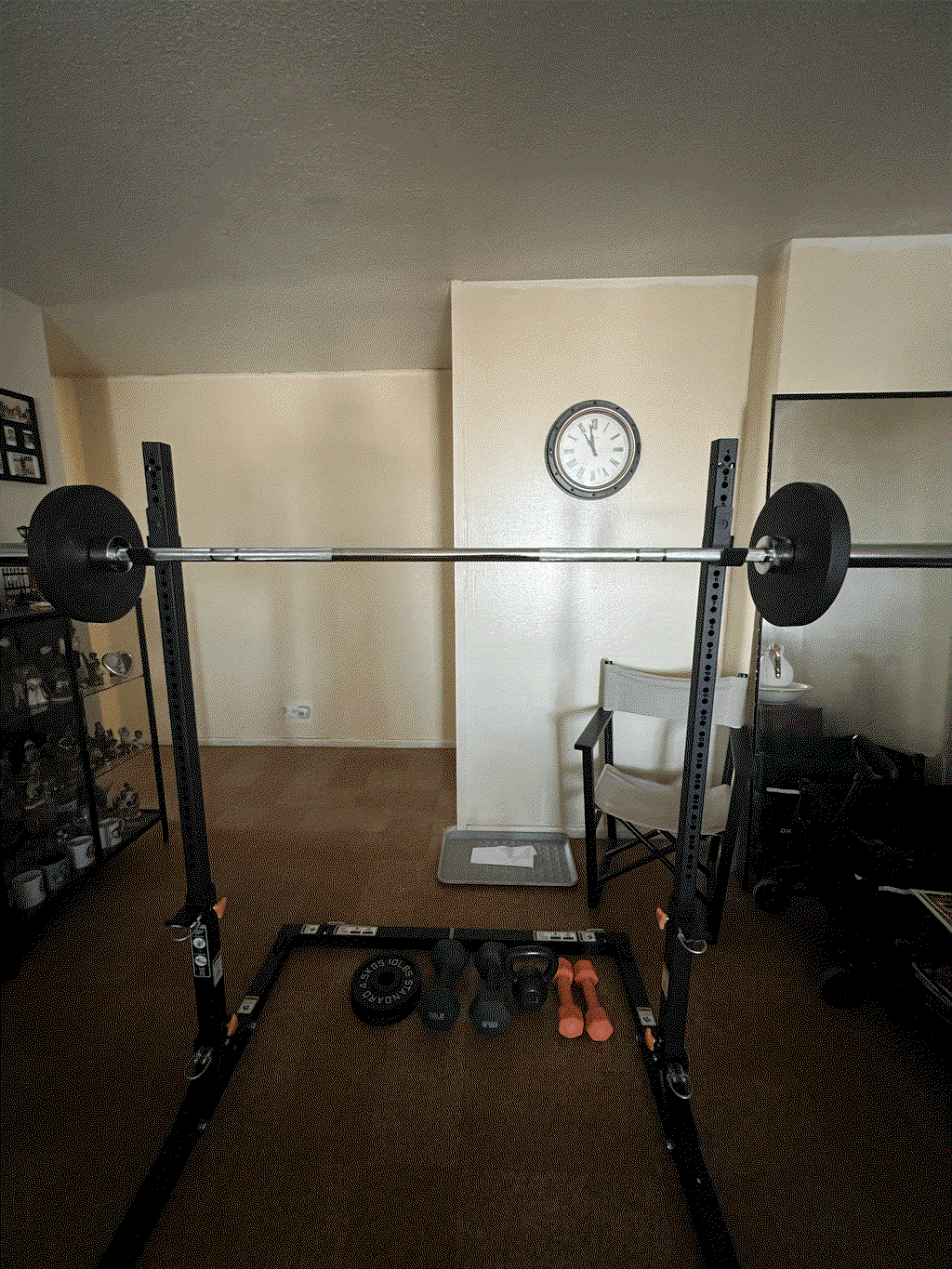
If you want to load these movements at home, the Verse Agile Rack with its pull-up bar and landmine attachments gives you all three exercises in one portable setup.
THE TAKEAWAY
Whether you're training for sprints or long distance, strength training is what makes the miles count. Train rotation, strengthen the whole chain, and build a core that matches your hips.
Can't just run. Gotta strength train.
Watch the full video here.