3 STRENGTH EXERCISES TO UP YOUR TENNIS GAME
If you've ever wondered how strength training translates to better performance on the tennis court, the answer is surprisingly simple: train the movements behind the game.
Tennis is a sport built on explosive power, quick changes of direction, rotational strength, and stability. Every forehand, serve, and sprint across the baseline requires your body to generate force efficiently and transfer it through the kinetic chain. That's why the best tennis training doesn't just focus on building bigger muscles—it focuses on building better movement.
In this training session, Coach Frazier and Michael demonstrate three simple yet highly effective exercises that directly support key tennis skills. Each movement mirrors a specific action you'll perform on the court, helping you build strength that carries over into real-world performance. Watch the 5-minute video here.
Whether you're a beginner looking to move better or an experienced player searching for an extra edge, these exercises can help improve your power, speed, and control.
1. Banded Rotational Chop → Forehand Power
The forehand is one of the most important weapons in tennis, and generating power starts with rotational strength.
The Banded Rotational Chop trains your body to create force from the ground up while teaching your core, hips, and shoulders to work together. This coordinated rotation is exactly what happens during a powerful forehand stroke.
Benefits:
- Develops rotational strength and power
- Improves force transfer through the core
- Enhances forehand speed and consistency
- Strengthens the muscles responsible for deceleration and control
When performed explosively while maintaining good form, this exercise teaches your body how to create power efficiently rather than relying solely on arm strength.
2. Banded Lateral Shuffle → Faster Footwork
Tennis is often won with your feet before your racket ever touches the ball.
Players constantly move side-to-side, reacting to shots and repositioning for the next point. The Banded Lateral Shuffle adds resistance to this movement pattern, forcing your legs and hips to work harder while reinforcing proper mechanics.
Benefits:
- Improves lateral speed and agility
- Strengthens hips and glutes
- Enhances balance and body control
- Builds endurance for long rallies
Consistent practice can help you cover more court with less effort, allowing you to arrive at each shot in a stronger and more balanced position.
3. Side Plank with Rotation → A Stronger Serve
A powerful serve isn't just about shoulder strength. In fact, much of the power comes from the core's ability to stabilize and rotate effectively.
The Side Plank with Rotation challenges your core through both stability and movement, closely resembling the rotational demands on the body during a tennis serve.
Benefits:
- Builds rotational core strength
- Improves shoulder stability
- Enhances balance and body awareness
- Supports more efficient force production during serves
By strengthening the muscles that connect your upper and lower body, you'll create a more stable foundation for generating power overhead.
Why Tennis Players Should Strength Train
Many recreational players spend hours practicing strokes but very little time developing the physical qualities that make those strokes more effective.
Strength training helps improve:
- Power production
- Speed and agility
- Injury resilience
- Balance and coordination
- Overall athletic performance
The goal isn't to become a powerlifter. It's to become a stronger, more capable athlete whose body can perform better on the court.
When strength exercises closely resemble the demands of your sport, the transfer to performance becomes even more valuable.
Equipment Featured
This workout requires minimal equipment while delivering significant training benefits.
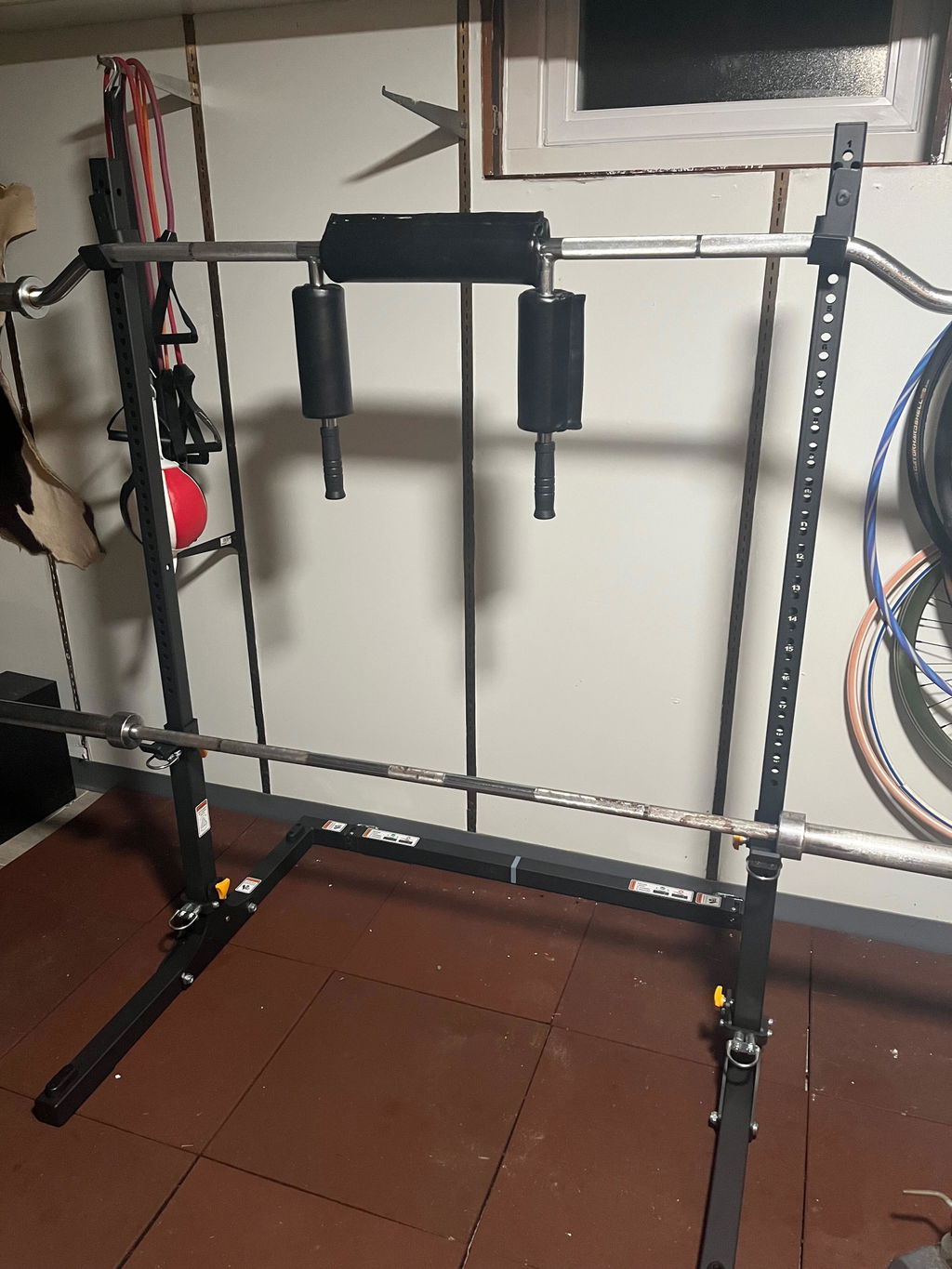
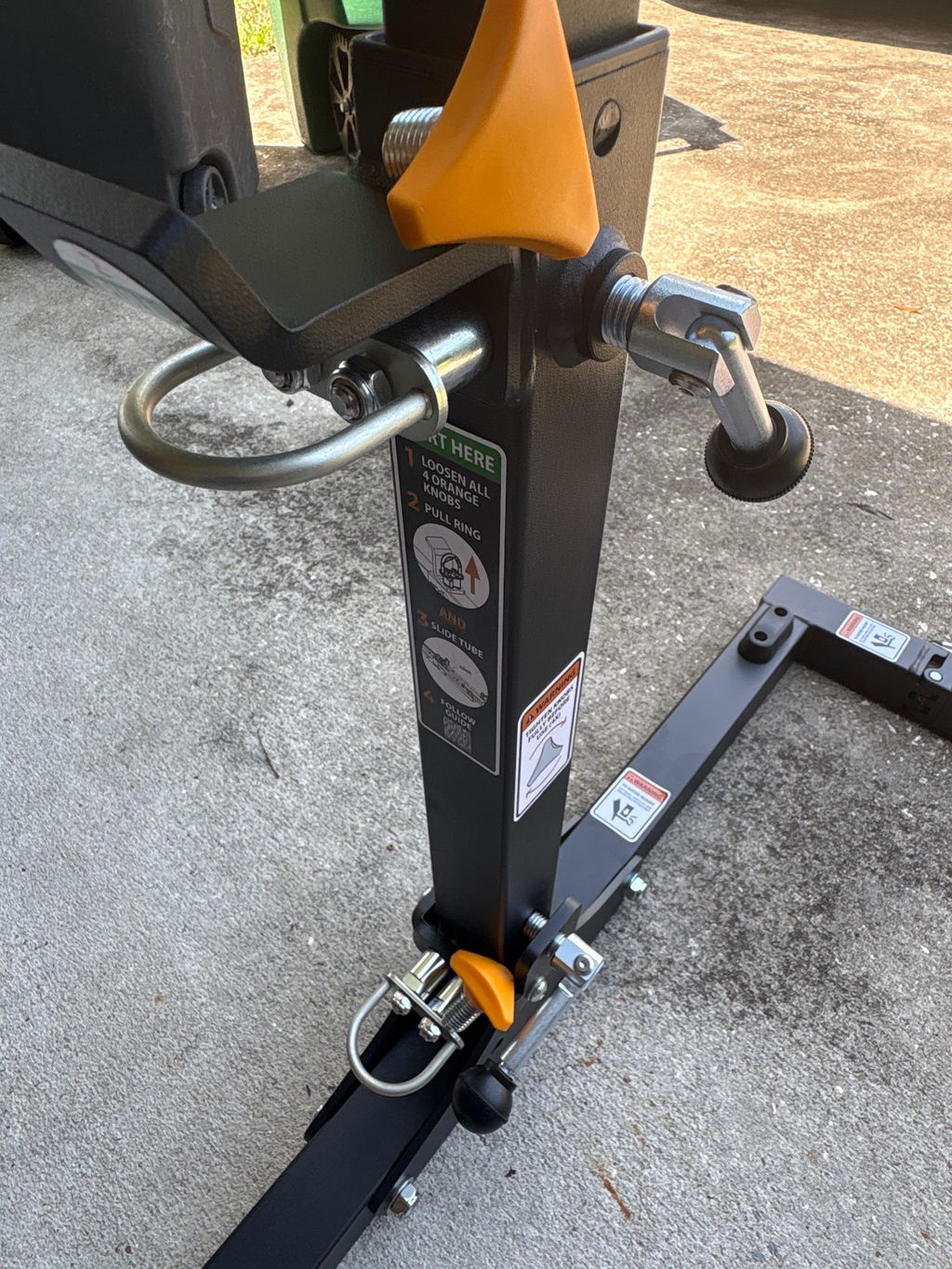
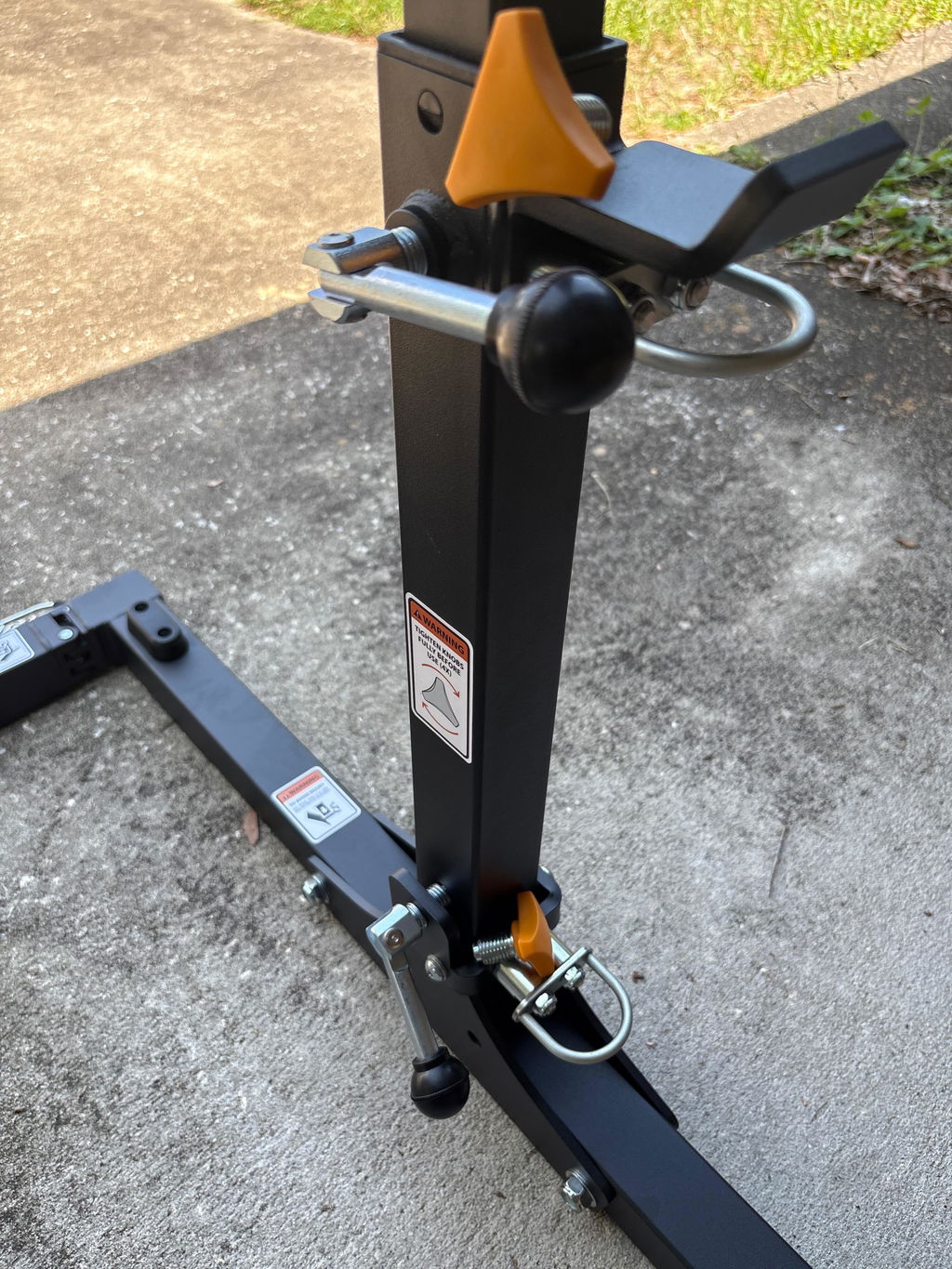
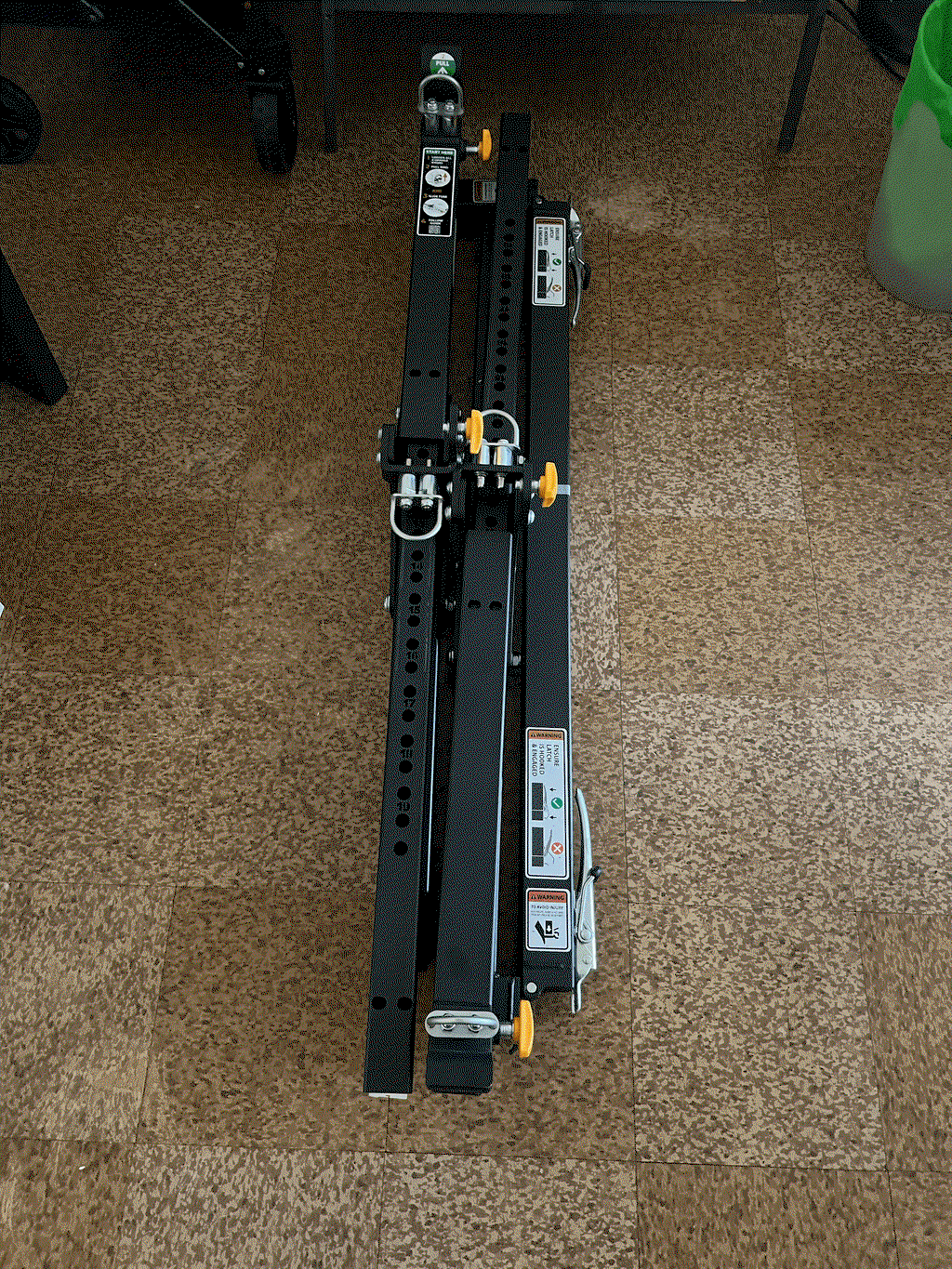
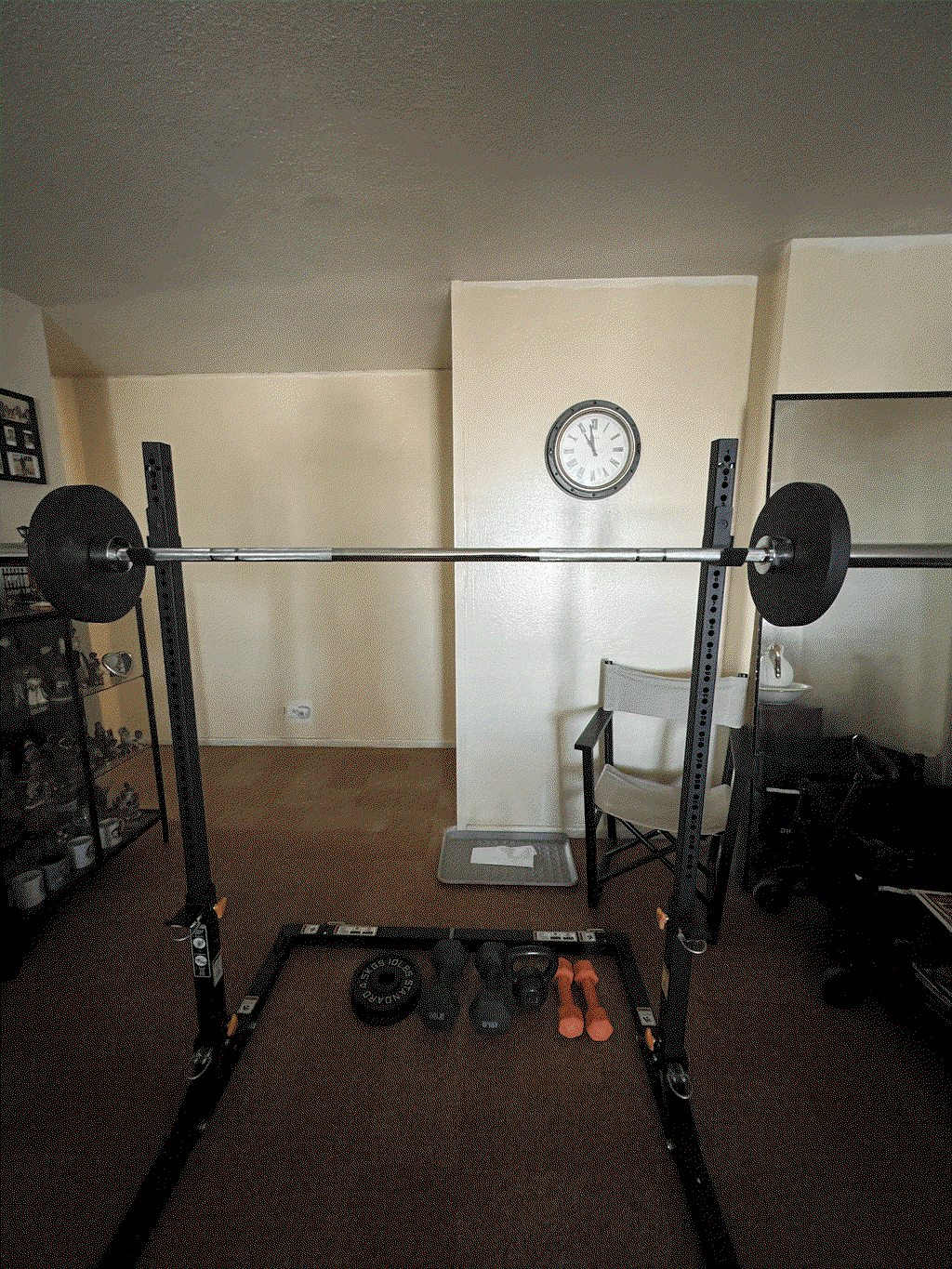
- Verse Agile Rack: Our flagship foldable rack provides a secure anchor point for resistance band exercises and functional strength training virtually anywhere.
- Verse Folding Bench: Compact, collapsible, and easy to store. Add versatility for core work, accessory movements, and recovery exercises.
- Verse Resistance Bands: Ideal for developing rotational power, lateral movement, and athletic coordination, while being lightweight and travel-friendly.
This simple setup allows athletes to train the same movement patterns that drive better performance on the tennis court.
Train the Movement, Improve the Game
By incorporating these movements into your routine, you can build the strength, stability, and explosiveness that support better performance on the court.
The next time you step onto the baseline, remember that every powerful forehand, quick recovery step, and explosive serve begins long before match day—it starts with how you train.