How Sean Wilson Built a Mobile Fitness Business
For most personal trainers, the gym is the business. The equipment is there, the clients come to you, and the environment is already built.
Sean Wilson decided to flip the script.
An in-home personal trainer from Inglewood, California, Sean built his business around a simple idea: make fitness more convenient for the client.
During COVID, when gyms were closed and people were looking for ways to stay active, Sean recognized an opportunity. Consumers were already embracing services that came directly to their doors. Why not fitness?
The idea stuck. Today, Sean trains six to eight sessions a day—roughly 35 to 40 sessions a week—moving between homes, garages, backyards, and parks throughout Los Angeles.
THE GYM DOESN'T HAVE TO BE A PLACE
One of the things Sean enjoys most about mobile training is the constant change of scenery.
One session might take place in a park. The next could be in a garage, followed by a backyard somewhere across town. Rather than finding that repetitive, Sean says the variety keeps his work exciting.
There's also a practical advantage: control.
At a traditional gym, a trainer is dependent on clients coming through the door. Sean has more control over his schedule and how he structures his day.
That flexibility comes with a catch, however.
THE 30-MINUTE RULE
When your business requires you to physically travel from one client to the next, time management becomes critical.
Sean considers punctuality one of the biggest challenges of mobile training. You don't want to cut a client's workout short because you're worried about the next appointment, but you also can't afford to arrive late to the next session.
His solution is simple: build approximately 30 minutes of travel time between clients.
In Los Angeles, that's a particularly useful rule of thumb.
For Sean, the lesson is bigger than traffic: when your business depends on being somewhere, the time between appointments is part of the job.
PORTABILITY ISN'T A BONUS. IT'S THE BUSINESS.
Mobile training changes the way you think about equipment.
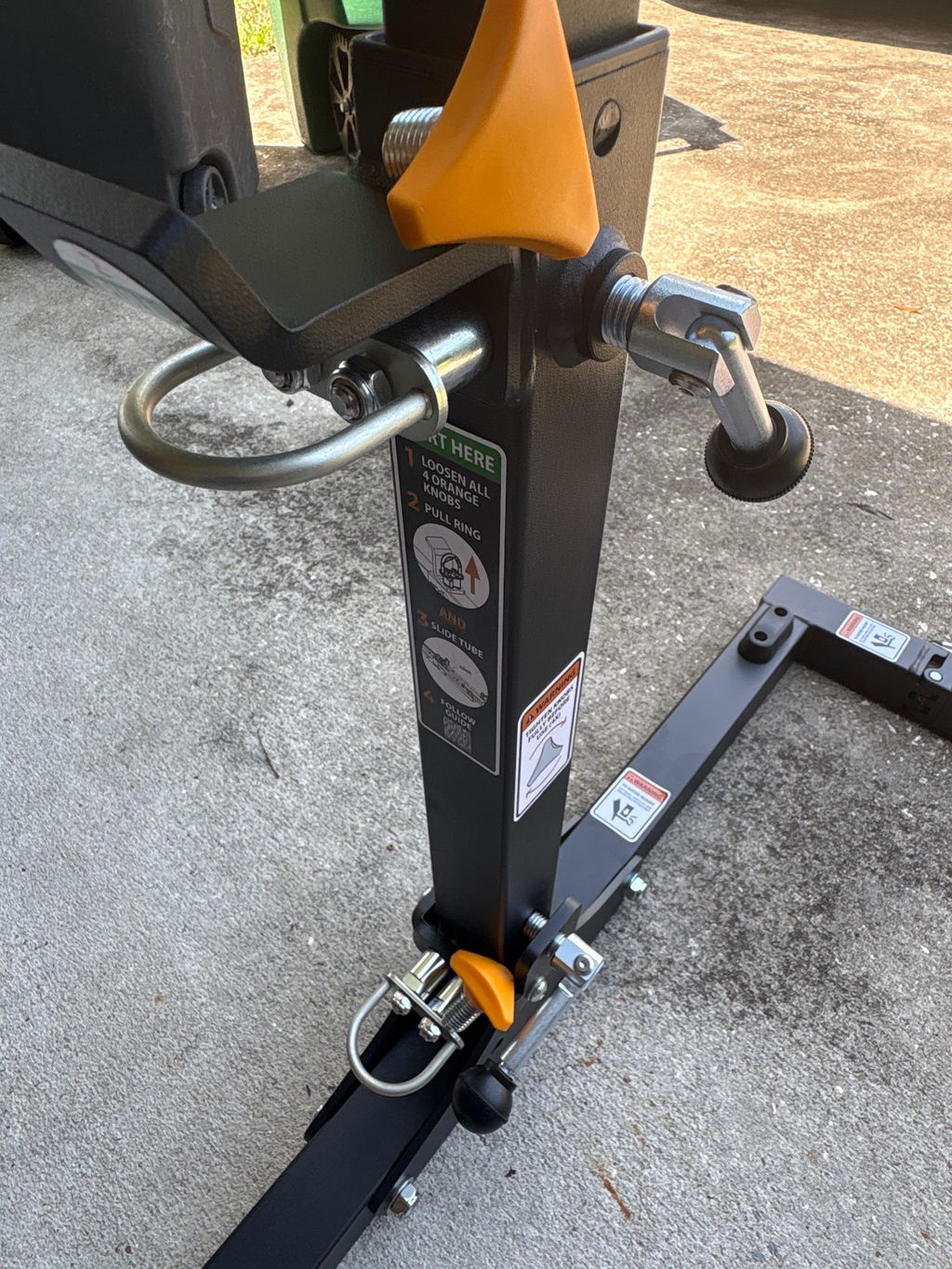
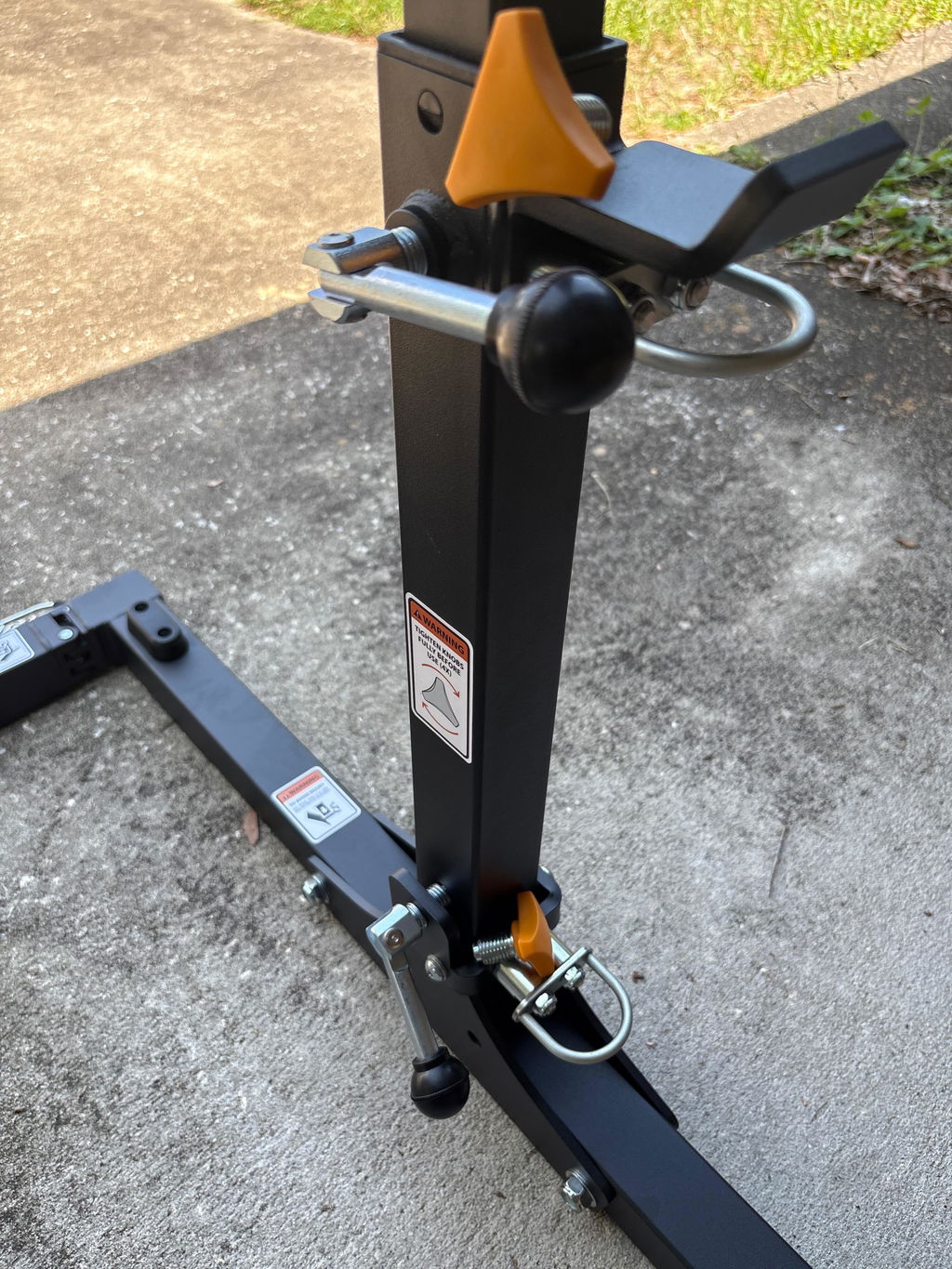
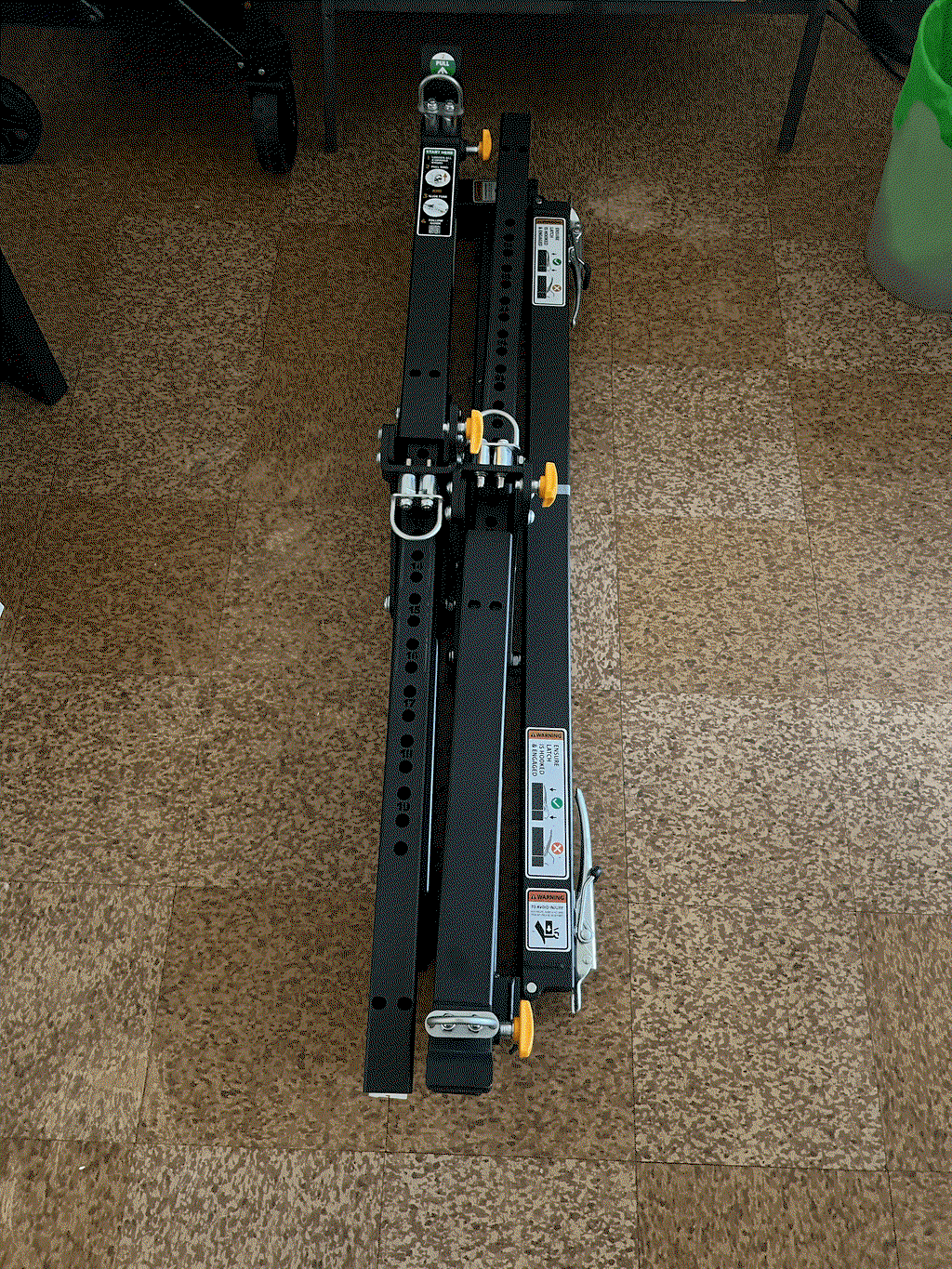
Sean may have to load, unload, set up, and break down the same piece of equipment three or four times in a single day. That means equipment can't simply be strong. It needs to be light, efficient, durable, and easy to collapse and transport.
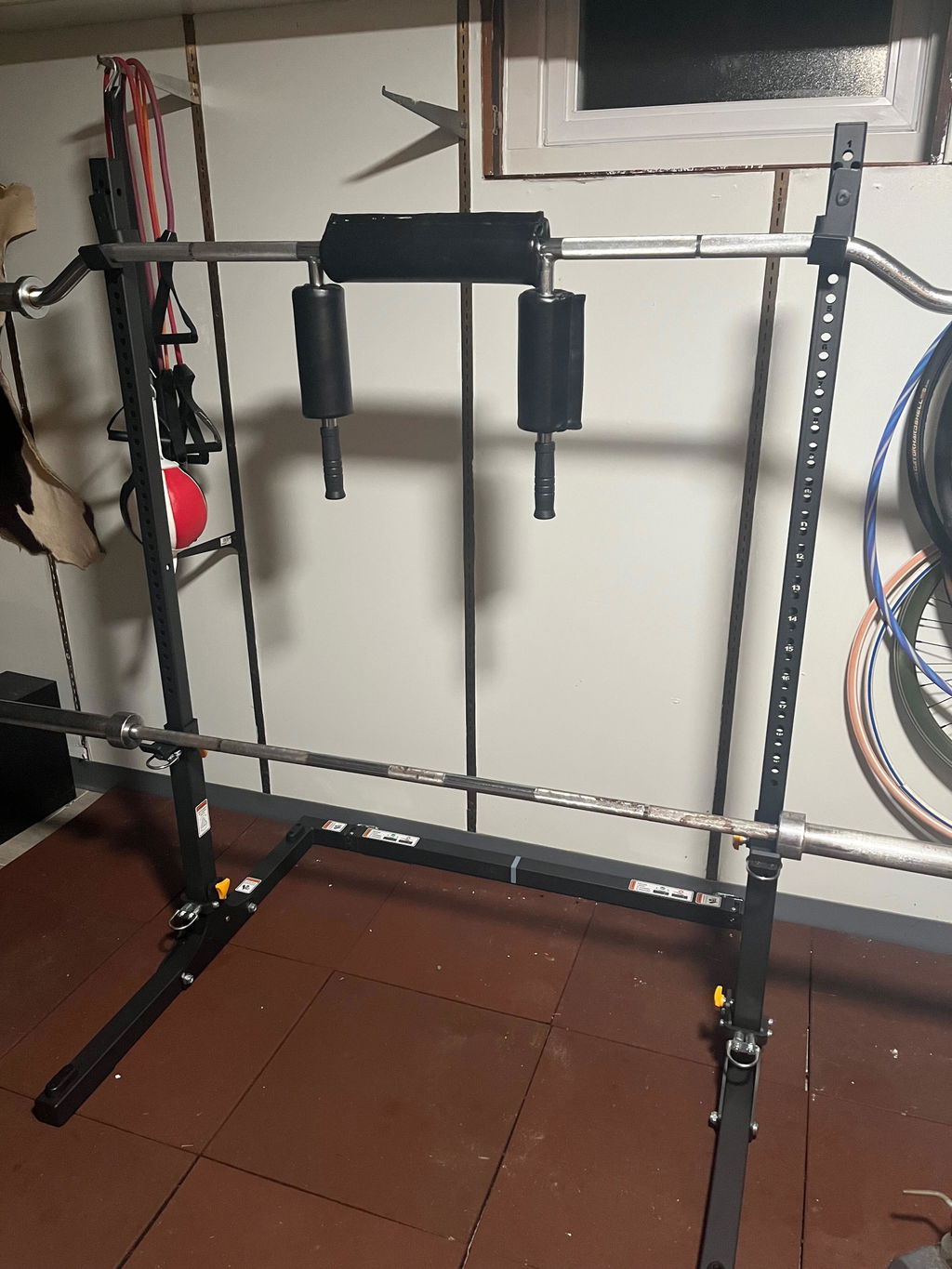
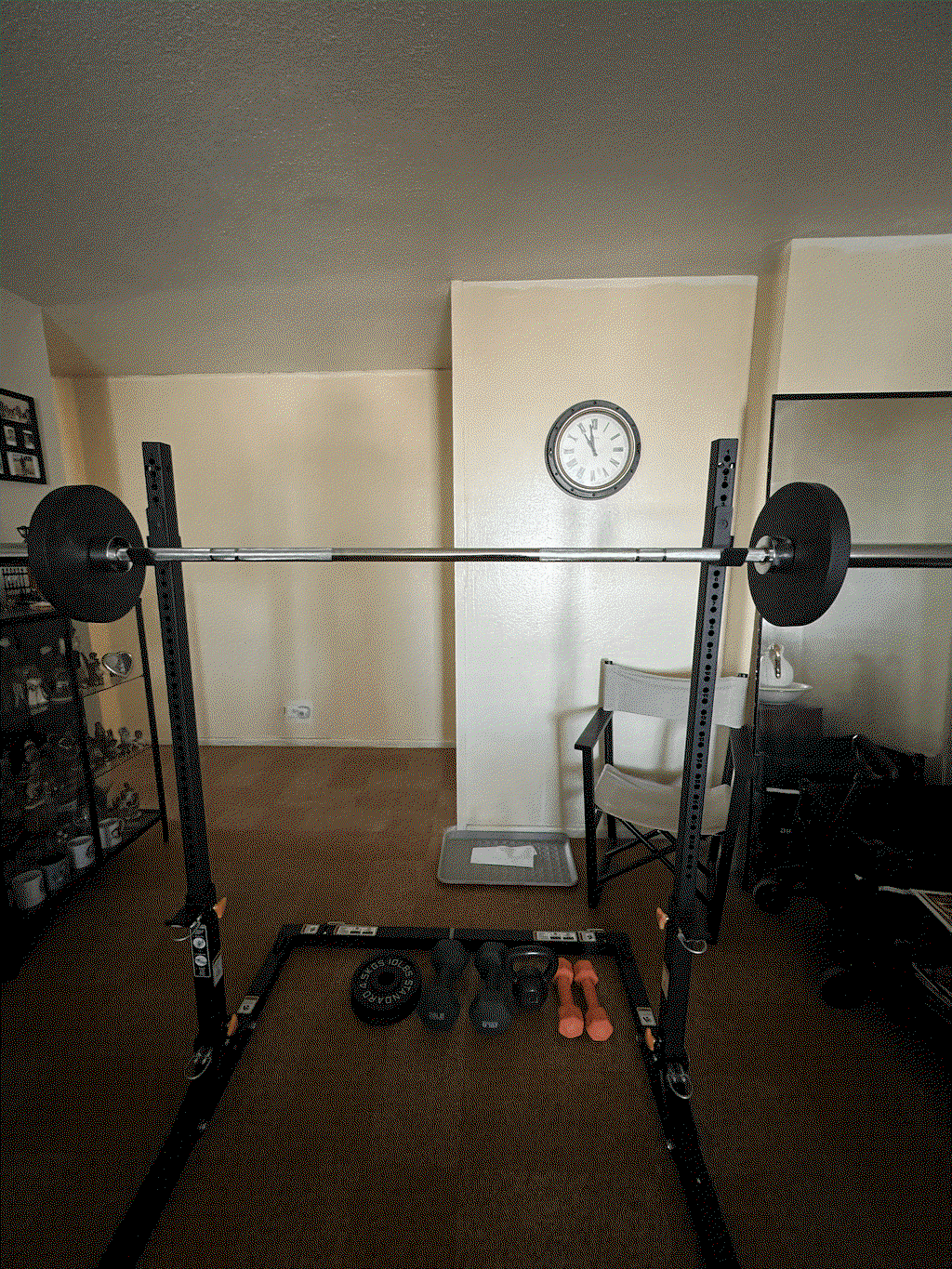
That's where a portable system like the Verse Agile Rack makes sense.
A rack and bench give Sean access to movements such as squats, presses, and deadlifts without requiring a permanent training facility. Attachments such as a pull-up bar and landmine expand those possibilities even further.
For Sean, the value isn't simply having more exercises available. It's having more capability without more stuff to carry.
As he puts it, he's in the business of saving both time and space.
MORE THAN A FEW DUMBBELLS IN THE VAN
There's a common misconception about mobile trainers: that showing up at someone's house means showing up with a stripped-down version of a gym.
Sean's experience is quite the opposite.
He carries enough equipment to provide serious training wherever he goes. In fact, one client's husband apparently underestimated what Sean had packed into his van—until he opened it up.
The joke was that the van could practically "turn into a Transformer."
That's really the point. Mobile doesn't have to mean minimal. It means portable.
The challenge is choosing equipment that gives you the greatest training capability without filling the vehicle with bulky, redundant gear.
MEETING PEOPLE WHERE THEY ARE
The business case for mobile training goes beyond convenience.
Sean works with busy professionals, entrepreneurs, parents, beginners, older adults, and people who simply aren't comfortable in traditional gym environments.
For these clients, eliminating the commute can remove a major barrier to exercise.
So can eliminating the intimidation factor.
When Sean trains someone in their own home, the client is already in a familiar environment. That can make the experience more comfortable and, according to Sean, help create stronger, longer-lasting relationships.
His favorite clients are often people who weren't particularly athletic growing up but have reached a point in life where they finally have the time and resources to invest in their health.
For them, a trainer who comes to them can make fitness feel much more accessible.
THE TRAINER IS ALSO THE BUSINESS
There's another side to Sean's story that has little to do with barbells.
When you leave a traditional gym, you also leave behind its built-in traffic. The gym may take a percentage of your income, but it also provides a steady stream of potential clients.
Once you're independent, you have to create that traffic yourself.
Sean says much of his business has come through word of mouth, local visibility, Google searches, and reviews. Even his branded van becomes a marketing tool: people see it repeatedly in their neighborhood and eventually recognize the business.
And that leads to one of his biggest pieces of advice for trainers starting out:
Get a good mentor.
Being a great trainer is only part of building a successful training business. You also need to understand sales, client retention, marketing, and entrepreneurship.
As Sean points out, trainers are business owners whether they think of themselves that way or not.
THE REAL REWARD
For all the talk about equipment, scheduling, clients, and business development, Sean's biggest takeaway isn't financial.
It's personal.
He says he sometimes underestimates how much he influences the way his clients feel about themselves. He may see someone only a few times a week, but those sessions can have an impact that extends well beyond the workout.
That's what gives the business purpose.
Sean didn't simply find a way to train people without a gym. He found a way to remove obstacles between people and fitness—and built a career around bringing the training to them.
The gym doesn't always have to be somewhere you go.
Sometimes, the gym comes to you.
Watch the full video here: