By Shane Robert
I have a confession. I hate training arms. Biceps in particular. I find it boring and tedious. Yet, I also appreciate and want big jacked arms. Though the triceps are the main contributor to arm size, as Arnold famously said in Pumping Iron, making up 70% of your arm size (though to be more accurate, it’s probably closer to 60% of total arm size), the biceps are still important. After all, even children instinctively hit a bicep flex when they want to show their muscles.
When most people think about building bigger biceps, they think about curls. Endless variations of curls. For good reason since the biceps' main job is flexion, which is another way of saying curl, but there's another movement that deserves considerably more attention in the pursuit of bigger arms: the chin-up.
Chin-ups are traditionally thought of as a back exercise, and a great one at that. They're one of the best movements for developing upper-body pulling musculature and strength. They're also an exceptionally effective way to train the biceps. The primary muscles involved in a chin-up are the latissimus dorsi (lats), teres major, and muscles responsible for flexing the elbow, including the biceps brachii, brachialis, and brachioradialis. The lats are responsible for much of the work involved in pulling your upper arms down toward your torso, while the elbow flexors contribute to bringing your body toward the bar. This combination makes pull-ups an excellent compound exercise for developing the entire upper back and arms.
The benefits don't stop there. Performing strict pull-ups also requires considerable control of the trunk. Your abdominal muscles, obliques, and other stabilizing muscles work to keep your body from swinging excessively throughout the movement. They're also an excellent way to develop grip strength and improve your ability to support and control your own bodyweight. In other words, few exercises provide as much upper-body training value as a properly
performed chin-up.
The biceps brachii has two primary functions: elbow flexion (bending the elbow) and forearm supination (rotating the palm upward). Both functions are involved in chin-ups. This is important because the biceps doesn't know whether you're performing a curl or pulling your body toward a bar. It responds to mechanical tension, regardless of the exercise producing it, and chin-ups provide ample opportunity to generate that tension.
Unlike many isolation exercises, chin-ups allow you to work with a substantial amount of resistance. If you weigh 190 pounds, for example, you're moving a considerable portion of your bodyweight through every repetition. As you become stronger, you can, of course, increase the difficulty by adding weight with a dip belt or holding a dumbbell between your feet. This makes weighted pull-ups particularly useful for progressively overloading the muscles responsible for elbow flexion.
If your goal is to build bigger biceps, simply performing a few sets of chin-ups whenever you happen to be training probably isn't going to produce the best results. Like any other exercise, chin-ups should be approached with a plan for progressively increasing the training stimulus. This can be accomplished by accumulating greater overall volume (total number of reps), or adding load. I’m confident in saying that someone who can do multiple chin-ups with 100 additional pounds strapped to their waist probably doesn’t have small biceps. In all honesty, heavy added load paired with high volumes of bodyweight work is truly the most powerful option.
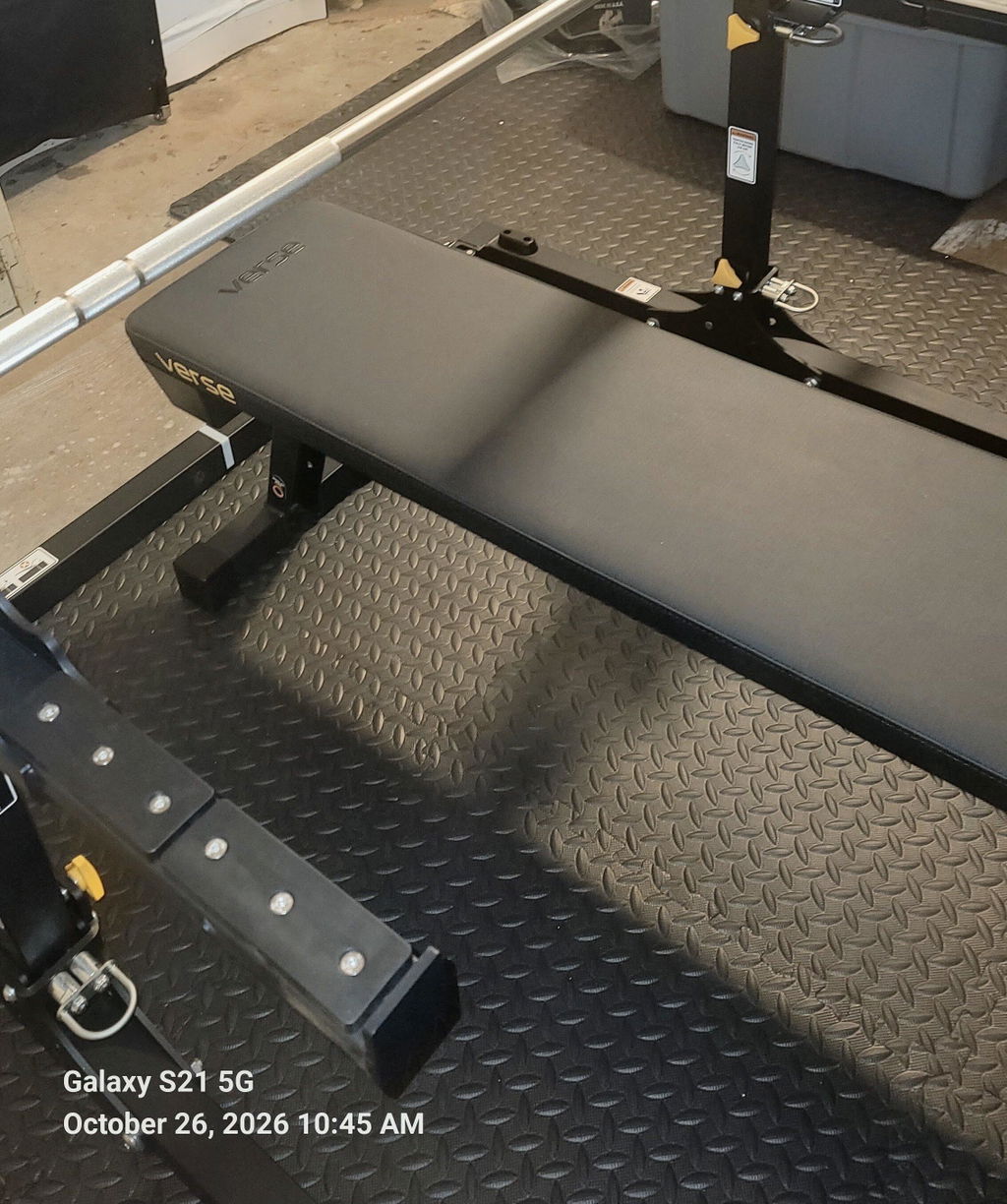
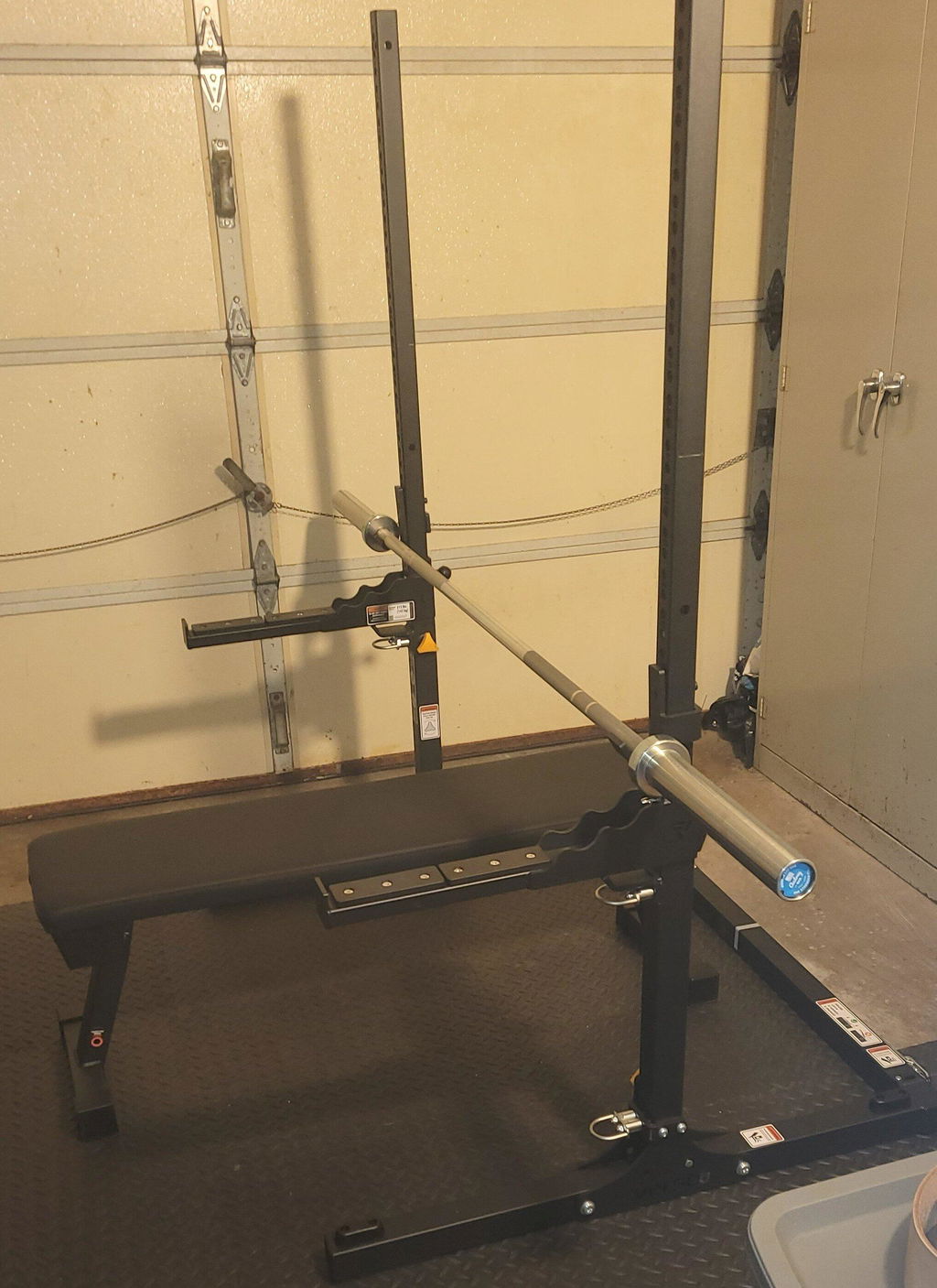
An often overlooked benefit to chin-ups is what makes it simple to train both heavy and high volume — they don’t need a lot of special equipment. If you have access to something that allows you to hang with straight arms and pull yourself up, you have what you need. This could be a doorway chin-up bar, some rafters in your garage, a playground near where you live, etc. Of course, having something like the Agile Rack Pull-Up Bar attachment is probably the easiest way to make sure you can do chin-ups as part of a complete home gym.
My favorite protocol is to do weighted chin-ups in my workout, anywhere from 1-6 reps per set, then, throughout the rest of that day and/or following days, hitting many, many submaximal chin-up sets to accumulate a lot of volume. Basically, any time I walk past the chin-up bar, or every 1-2 hours, I make sure to bang out a set with 3-4 reps in reserve. Some days, this amounts to 100+ reps, which I don’t think I need to tell you, is going to build some serious muscle.
There's nothing wrong with curls. They're a useful exercise, and direct biceps training is certainly helpful to maximize arm development. But if you're looking for an exercise that builds your back, strengthens your arms, challenges your core, and allows you to progressively increase resistance, it's difficult to beat the pull-up. The next time you put together an arm workout, consider spending a little less time looking for another curl variation and a little more time hanging from a pull-up bar.