By Shane Robert
For all the love that squats receive, they weren’t a staple exercise in the early days of barbell training. The emphasis at that time was on lifting the weight from the ground in various ways, usually with the end goal of getting said weight overhead in some fashion. Eventually, this became the organized sport of Olympic weightlifting. If someone wanted to work their legs, they had to clean the weight and either do front squats, or put the weight overhead to have it rest on their shoulders. Naturally, this limited, to a very large extent, how much weight they could use for their squats.
It wasn’t until the 1930s that squatting started to become a more common exercise for lifters, thanks largely to US Weightlifting head coach Mark Berry, who noticed that the increased leg strength seemed to benefit his lifters, and the new concept of a squat stand. Hard though it may be to believe, people were using barbells for decades before anyone thought to create an easy way to place the barbell up high to get it onto their shoulders. Once they did, however, the squat took off like a rocket.
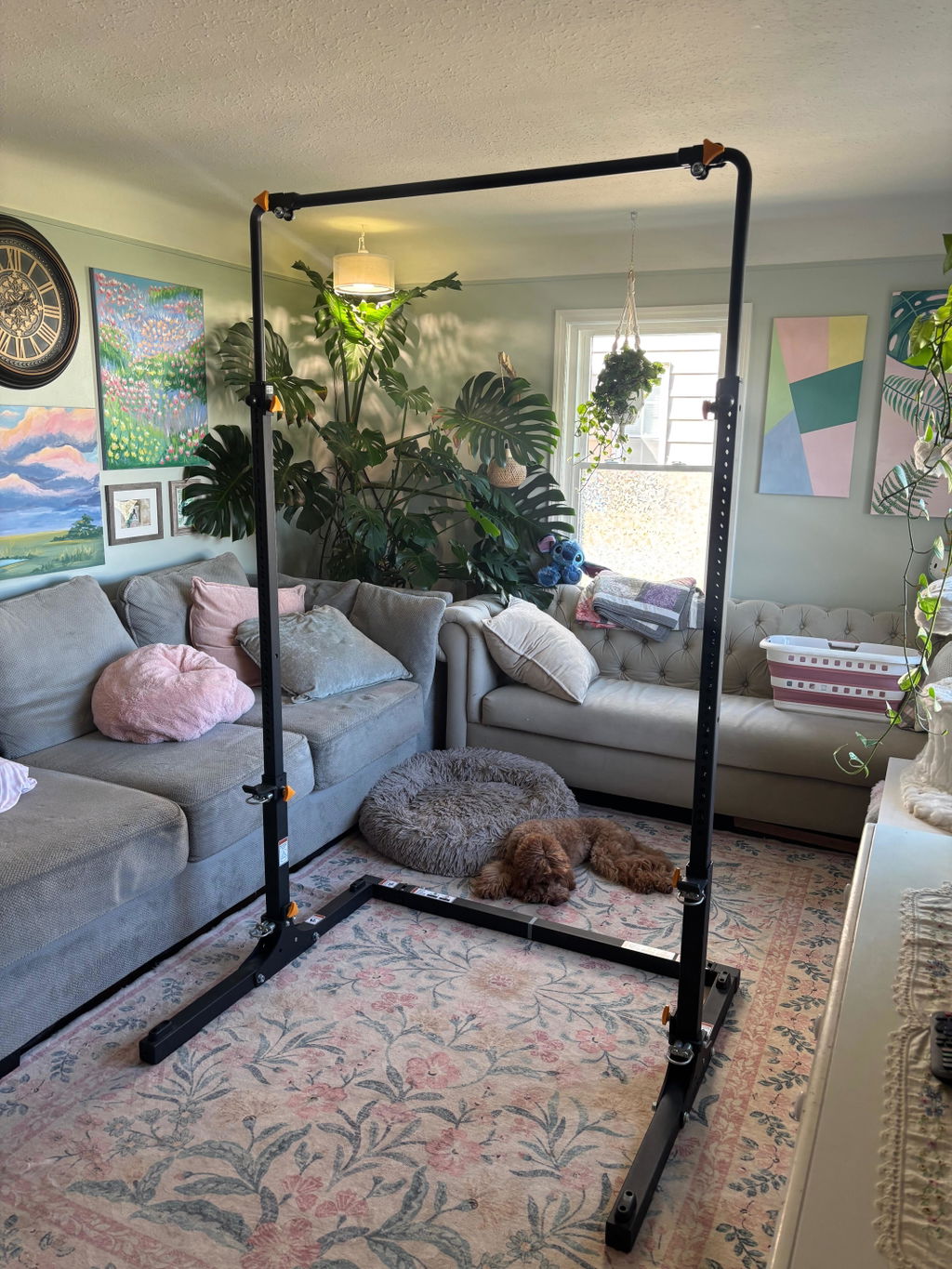
Fast forward to today and racks are ubiquitous pieces of equipment in nearly every worthwhile gym. There is an important distinction that must be made before going further — a barbell or squat stand is an apparatus that allows you to put a barbell on it to rack and unrack from various heights. This is what people were using when Mark Berry started pushing for squats. A power rack, the type of rack most commonly seen in gyms, is an apparatus that adds pins or bars that the barbell can rest on. Most lifters, not wholly incorrectly, think of these as the ‘safeties’, something that is in place to save them in case they can’t complete a lift. That was not the original intent of the power rack.
What would now be recognized as a power rack started as a device that allowed lifters to lift the barbell from different positions to perform yielding isometrics, where you push a weight into an immovable pin. The isometric part of the equation quickly fell out of favor, but the lifting from different positions stayed as a highly effective means to build new muscle and strength by lifting weights previously unachievable through a full range. The safety aspect of power racks was very much an afterthought.
Somehow, the lifting world seems to have forgotten the original intent of a power rack and simply uses them as a barbell stand. To their great detriment.
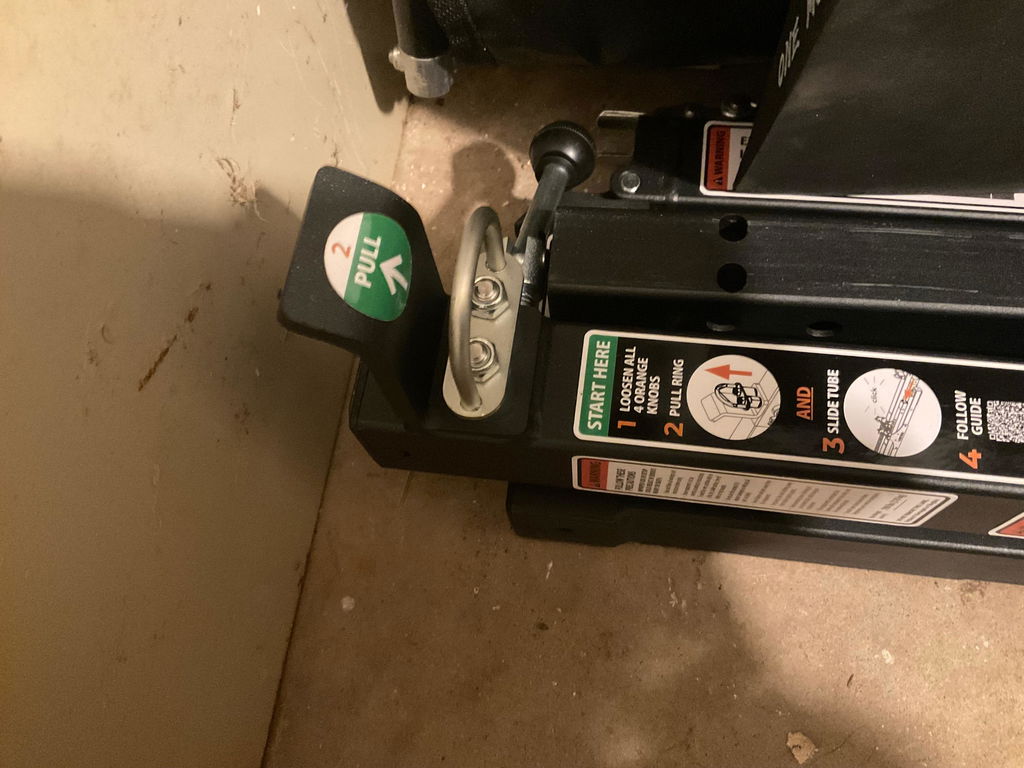
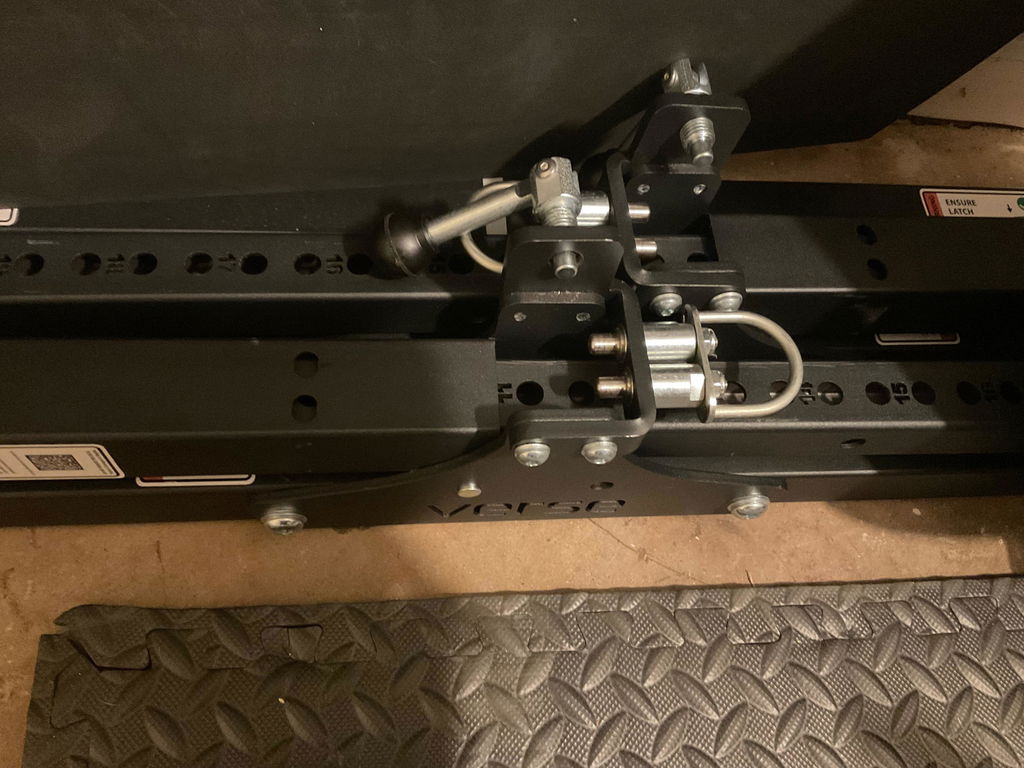
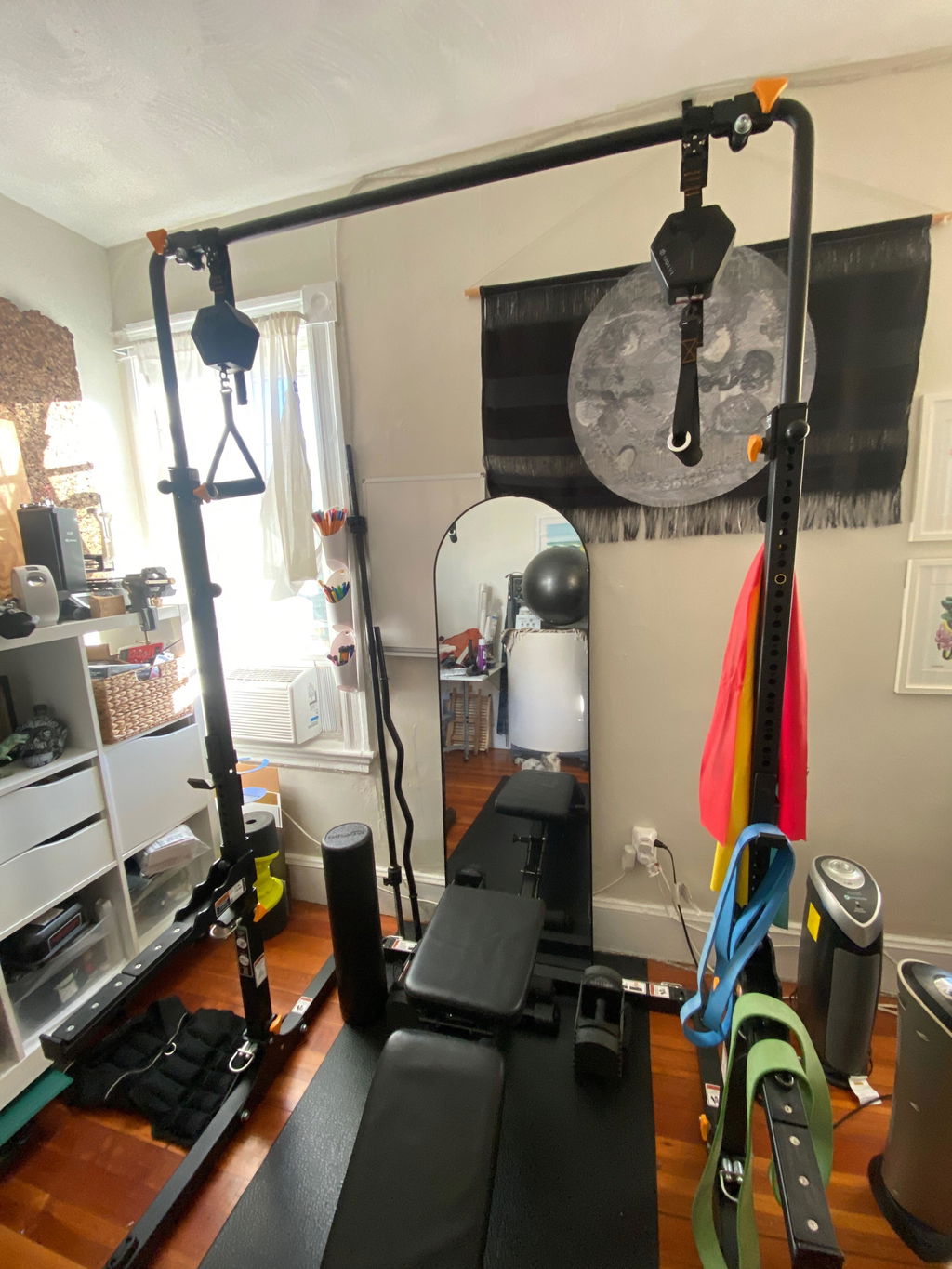
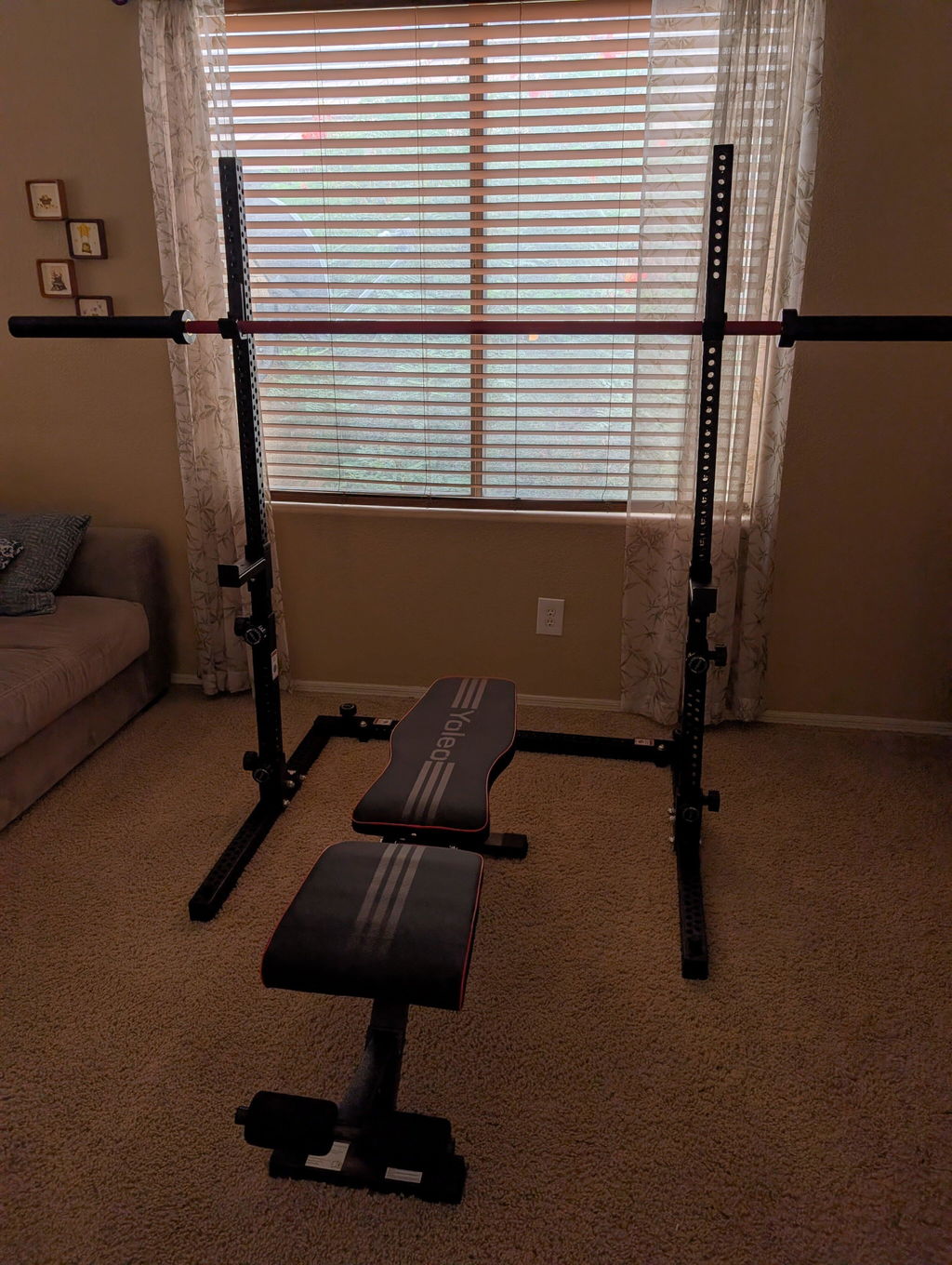
A power rack, or a squat stand with strong and adjustable spotter systems like the Verse Heavy-Duty Spotter System, gives lifters a lot of opportunity to challenge their bodies in new and heavy ways to force great adaptation.
Below is a simple example of the type of training that one might do in a power rack. The options are truly endless, but this is a pretty classic example of something you would see strong lifters promoting in the mid-1960s when ‘power rack training’ was at its height.
This program combines full-range movement with progressively heavier, and shorter ROM, movements. When doing these shortened movements, you squat the bar under control to the safeties and either let the bar gently tap them before reversing the movement, or, to make it harder, let the bar fully rest on the safeties for a beat before lifting back up again. Pausing on the pins will dissipate some of the elastic energy stored in the muscle fibers and will require them to work harder to get the bar moving again. Both are great options.
The theory behind the method is that different joint positions present different mechanical demands. By working through progressively shorter ranges with heavier loads, the lifter practices handling greater weights at specific points in the exercise.
DAY 1
DAY 2
On these Day 2 movements, make sure the bar comes to a complete rest on the pins each rep. This builds tremendous power.
A very similar type of two-day program can be followed for bench. Deadlifts always start from pins, of course, but following the same concept of full range gradually working into shorter ranges works just as well.
Having strong and sturdy safeties, whether in a full power rack or in a setup like the Verse Heavy-Duty Spotter System, opens up a whole new world of overload training options and potentially newfound muscle and strength. It just takes a whole lot of hard effort.